What is Tetraplegia?
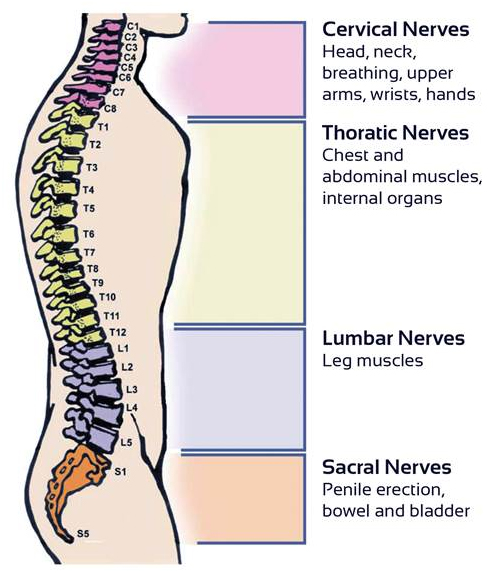
Tetraplegia, sometimes called quadriplegia, is a form of paralysis caused by damage to the spinal cord in the neck.
It affects movement and/or sensation in all four limbs and can also affect other parts of the body. But every spinal cord injury is different, so no two people will experience tetraplegia in exactly the same way.
Some people may have some movement or sensation, while others may have very little. The level and severity of the injury will shape what day-to-day life looks like.
Complete and Incomplete Tetraplegia
Complete tetraplegia means that messages from the brain are no longer getting through the injured area of the spinal cord in the way needed for movement or sensation below the injury.
Incomplete tetraplegia means that some messages are still able to travel through the injured area of the spinal cord. This means a person may keep some movement, sensation or function below the level of their injury.
Incomplete tetraplegia can look very different from person to person. Someone may have good movement in their arms but limited hand function, while another person may have some movement in their legs or be able to stand or walk with support.
This is why no two experiences of tetraplegia are exactly the same. The level and severity of the injury, and the amount of function that remains, can all affect what day-to-day life looks like.
How It Happens
While often the result of sudden trauma – such as a road traffic accident or a fall – tetraplegia can also arise from various medical conditions and illnesses. Other potential causes include:
- Spinal cord tumours.
- Autoimmune conditions.
- Infections and degenerative diseases.
Regardless of the cause, such an injury can change a person’s life in an instant.
The Reality of Life with Tetraplegia
Each year, many individuals – frequently young, active people – are suddenly faced with paralysis. The impact of tetraplegia extends far beyond the physical challenges; it profoundly affects a person’s independence, employment, mobility, and emotional well-being.
Everyday tasks that were once taken for granted can become impossible without assistance. For many, specialist equipment is not just a luxury but a necessity for living with dignity, autonomy, and a sense of freedom.
Beyond paralysis, living with tetraplegia requires a deep understanding of potential secondary health complications. Managing these issues is vital for long-term health and safety.
Autonomic Dysreflexia (AD) is a potentially life-threatening medical emergency that can affect individuals with a spinal cord injury at the T6 level or above – which includes all those living with tetraplegia. It is caused by an over-activity of the Autonomic Nervous System, usually triggered by a painful or irritating stimulus below the level of injury (such as a full bladder or a pressure sore).
If left untreated, AD can lead to a rapid rise in blood pressure, increasing the risk of life-threatening consequences. Recognising the signs – such as a pounding headache, sweating, and blotchy skin – and knowing how to respond is essential for everyone with tetraplegia.
The Scale of Spinal Cord Injury in the UK
The number of people living with spinal cord injuries in the UK continues to grow, with approximately 105,000 individuals currently affected.
- In 2024-25, 37% of all new spinal cord injuries referred to specialist centres resulted in tetraplegia.
- Overall, 1 in 50 people across the country live with some form of paralysis.
To find out more about these figures and the current landscape of spinal injury in the UK, please visit the Helpful Organisations section.
Regain is the national charity dedicated to supporting everyone living with tetraplegia. Discover more about how we help beneficiaries reclaim their independence, or find out how you can get involved with our mission.