Regain Respite

Living with tetraplegia requires immense physical and emotional resilience, not only from the individual, but also from their families and support networks. The constant demands of care can be exhausting.

Quality respite is not a luxury; it is a vital necessity. Time away from the routines and pressures of daily care allows people to recharge, gain perspective, and return home with renewed energy, confidence and motivation.

Through Regain Respite, we offer beneficiaries the opportunity to spend time at specialist rehabilitation and wellbeing facilities designed for people living with spinal cord injuries. These environments combine expert support, accessible spaces, and meaningful activities that promote both physical recovery and emotional wellbeing.

What a Respite Stay May Include

Every stay is different, but activities may include:

  • Specialist spinal injury rehabilitation sessions
  • Pain-management guidance and therapy
  • Accessible outdoor experiences and time in nature
  • Creative therapies such as art or mouth-painting
  • Time with therapy animals
  • Opportunities to relax, reflect, and reconnect with family members

For many people, these experiences provide something that is difficult to find within everyday life: space to breathe.
Specialist Respite Facilities

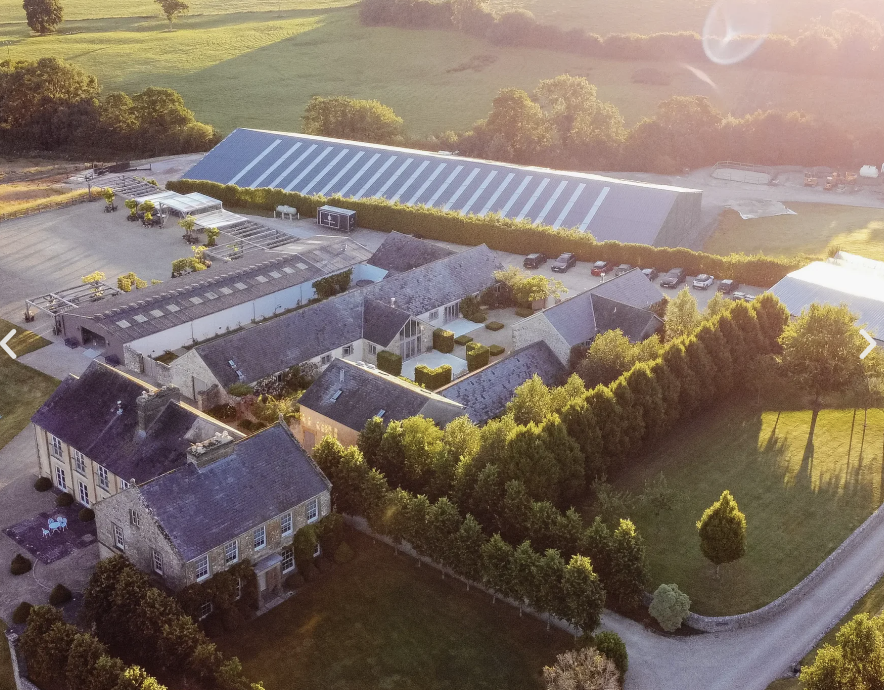
Regain works with specialist centres that understand the needs of people living with spinal cord injuries. One such place is the rehabilitation centre at Chedington Estate, home to Hobbs Rehabilitation Centre.

Here, beneficiaries can spend time working with experienced spinal injury specialists alongside their own care teams. During their stay, they may explore new ways to manage pain, improve mobility and build strength, while also reconnecting with activities that bring joy and purpose.

Rehabilitation and Wellbeing Support at Hobbs Rehabilitation Centre

During a respite stay at Hobbs Rehabilitation Centre, Regain beneficiaries have access to a wide range of specialist rehabilitation services and inclusive activities designed to support recovery, wellbeing and independence.

Support may include:

  • Adaptive Sport: Opportunities to take part in adaptive sports and inclusive physical activities that help people stay active, build confidence and reconnect with movement.
  • Aquatic Physiotherapy: Access to two hydrotherapy suites, allowing individuals to exercise in water — often making movement easier and helping improve strength, mobility and pain management. Fully accessible changing facilities are available.
  • Clinical Neuropsychology: Specialist support addressing the cognitive, emotional and behavioural challenges that can arise following neurological injury.
  • Neurotechnology: Cutting-edge rehabilitation technology designed to increase the number of repetitions during therapy, helping individuals unlock greater recovery potential.
  • Occupational Therapy: Practical guidance to help individuals regain independence and overcome challenges in everyday activities and daily routines.
  • Physiotherapy: Targeted therapy to improve balance, mobility and muscle strength, while reducing stiffness and pain.
  • Rehabilitation Assistants: Dedicated professionals who support exercises and daily activities under the guidance of therapists, helping maximise progress and wellbeing.
  • Speech and Language Therapy: Support with speech, swallowing, written communication and non-verbal expression where needed.

Together, these services provide a holistic environment where individuals living with tetraplegia can focus on recovery, explore new possibilities, and regain confidence in their abilities.

Danny’s Story

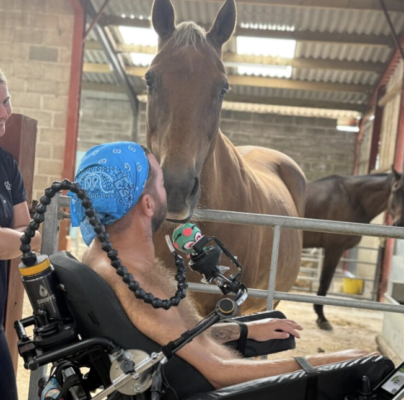
One of our beneficiaries, Danny, recently spent time at the Hobbs Rehabilitation Centre. While there, he worked with spinal injury experts to learn new pain-management techniques and experienced activities he hadn’t been able to enjoy since his accident.

He spent time with horses, tried mouth-painting, visited the beach. But perhaps most importantly, the experience gave him something beyond rehabilitation, it gave him purpose and perspective. Away from the relentless rhythm of daily care, Danny rediscovered what freedom could feel like again. The experience helped restore his confidence and inspired him to start planning new challenges and adventures.

Who Can Apply

Regain Respite is available to people living with tetraplegia who are eligible for support from Regain.

If you are living with tetraplegia and believe a respite stay could support your wellbeing, recovery, or independence, we encourage you to get in touch with our team to discuss your situation.

Get in touch